HOAX Pest Control

Know Your Neighbors

Local Pest Guide

Your field guide to the most common pests in the greater Prescott, Arizona area. Learn to identify them, spot the signs, and protect your home.

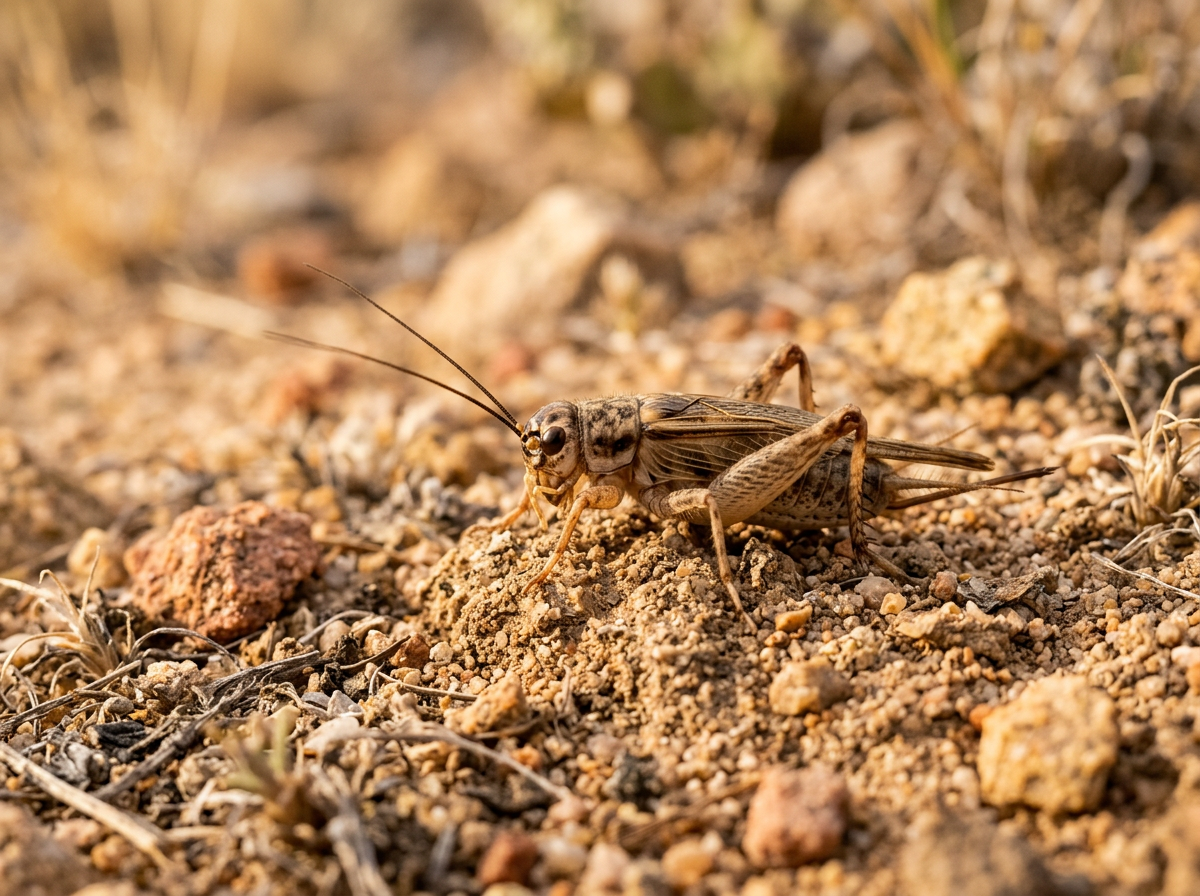
House Crickets
Low Risk

Acheta domesticus

House Crickets

House crickets are small, light brown insects often found indoors. They thrive in warm environments and are usually attracted to house lights at night. While they don’t pose a health risk, their chirping can drive you up the wall, and they can cause minor damage to fabrics and paper goods.

GaragesSheds
Arizona Bark Scorpion
Low Risk

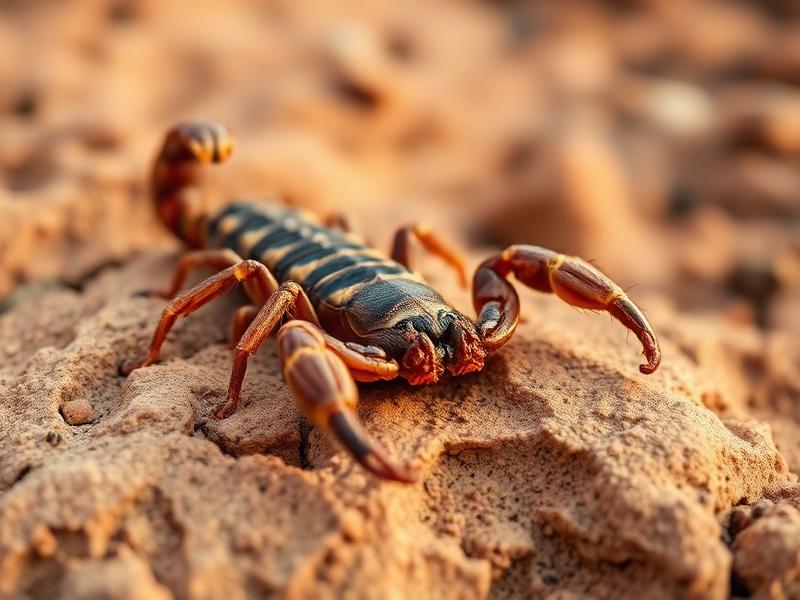
Centruroides sculpturatus

Arizona Bark Scorpion

The Arizona bark scorpion is the most venomous scorpion in North America. Light brown and 2–3 inches long, they are excellent climbers and can scale walls and ceilings. They're commonly found in the Prescott area, especially during warmer months when they enter homes seeking water and shelter.

March – October (most active in summer)
Under rocks & barkInside shoes & clothingDark closetsGarages & attics
Black Widow Spider
High Risk

Latrodectus hesperus

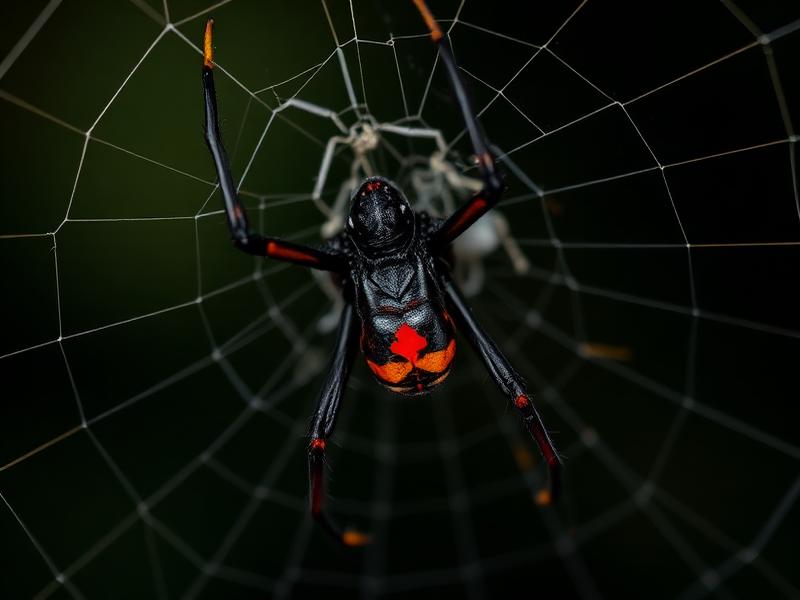
Black Widow Spider

The western black widow is identified by its shiny black body and signature red hourglass marking on the underside of the abdomen. Their messy, irregular webs are often found at ground level in sheltered, undisturbed areas. While bites are rarely fatal, they require medical attention.

Year-round (most active April – October)
Garages & shedsUnder outdoor furnitureWoodpilesDark undisturbed areas
Brown Recluse Spider
High Risk

Loxosceles arizonica

Brown Recluse Spider

Arizona's brown spiders are relatives of the brown recluse. Tan to dark brown with a violin-shaped marking on the back, they're shy and nocturnal. Bites can cause tissue damage and require medical attention. They favor dark, undisturbed spaces, making stored boxes and closets common habitats.

Year-round (most active March – October)
Closets & storage boxesBehind furnitureAttics & basementsRarely disturbed areas
Pack Rat (Woodrat)
Moderate Risk

Neotoma spp.

Pack Rat (Woodrat)

Pack rats are notorious in the Prescott area for chewing vehicle wiring, nesting in attics, and hoarding shiny objects. They build large, messy nests called middens from sticks, cactus pads, and collected debris. A single pack rat can cause thousands of dollars in vehicle damage overnight.

Year-round (peak activity fall & winter)
Engine compartments of carsAttics & crawl spacesPatio furniture cushionsDesert brush near homes
Harvester & Carpenter Ants
Low Risk

Pogonomyrmex / Camponotus spp.

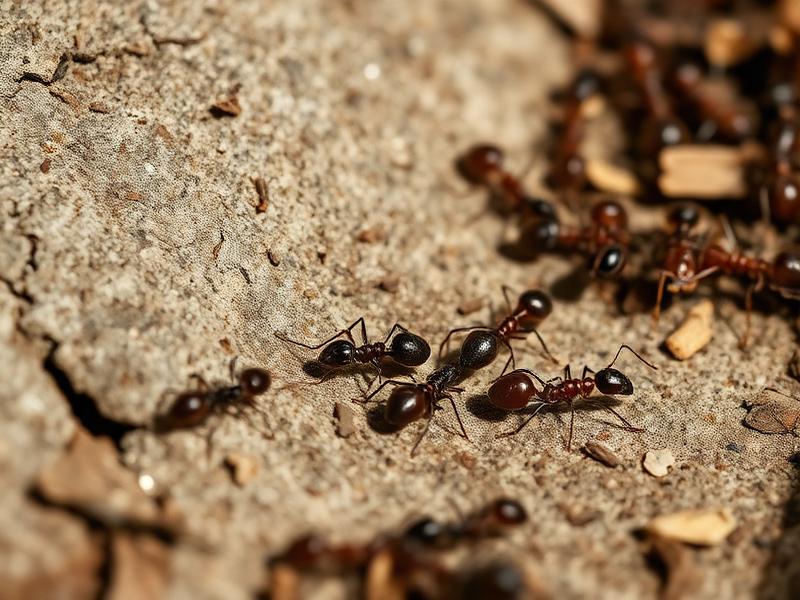
Harvester & Carpenter Ants

Prescott is home to several ant species. Harvester ants build large mounds in yards and deliver painful stings. Carpenter ants tunnel through moist or damaged wood to nest — they don't eat wood but can cause structural damage over time. Both species are most active during Arizona's monsoon season.

Spring through fall (peak in monsoon season)
Along foundationsIn kitchens near food sourcesYard and landscape bedsInside wall voids (carpenter ants)
Cockroaches
Moderate Risk

Blattella / Periplaneta spp.

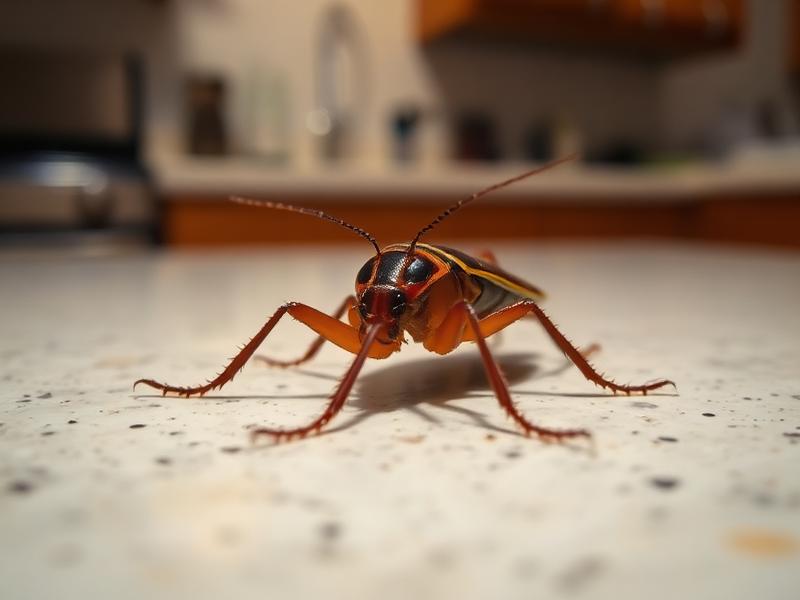
Cockroaches

German and American cockroaches are the most common species in the Prescott area. They're attracted to moisture, warmth, and food sources. Cockroaches can trigger asthma and allergies, contaminate food, and spread bacteria. They reproduce quickly — a single German cockroach pair can produce thousands of offspring in a year.

Year-round (increase in monsoon season)
Kitchens & bathroomsUnder appliancesDrains & plumbingCardboard boxes & paper bags
Wasps & Yellow Jackets
Moderate Risk

Vespula / Polistes spp.

Wasps & Yellow Jackets

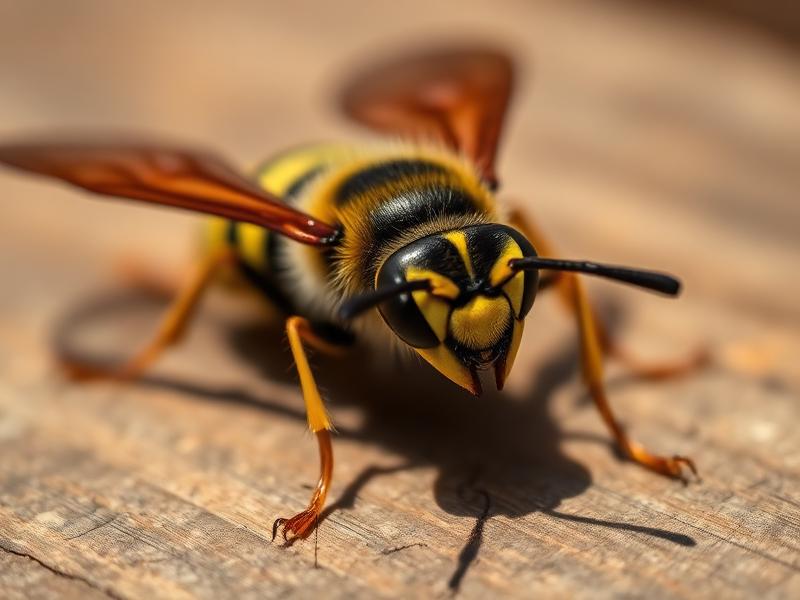
Paper wasps and yellow jackets are common in the Prescott area, especially around homes with outdoor dining areas. Paper wasps build open, umbrella-shaped nests under eaves. Yellow jackets nest underground or in wall voids and become increasingly aggressive in late summer as colonies grow larger and food sources diminish.

Spring through fall (aggressive in late summer)
Under eaves & overhangsIn ground burrowsInside wall voidsAround outdoor eating areas
Wolf Spider
Low Risk

Hogna / Lycosidae spp.

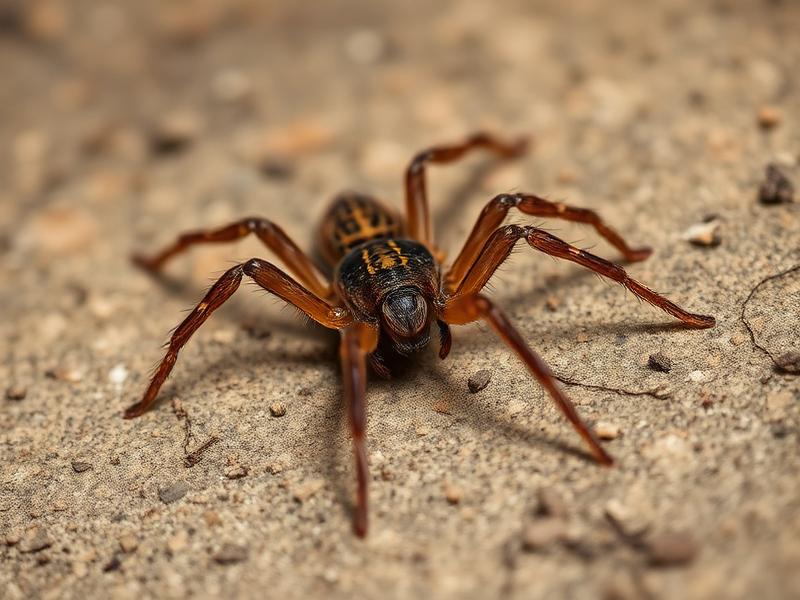
Wolf Spider

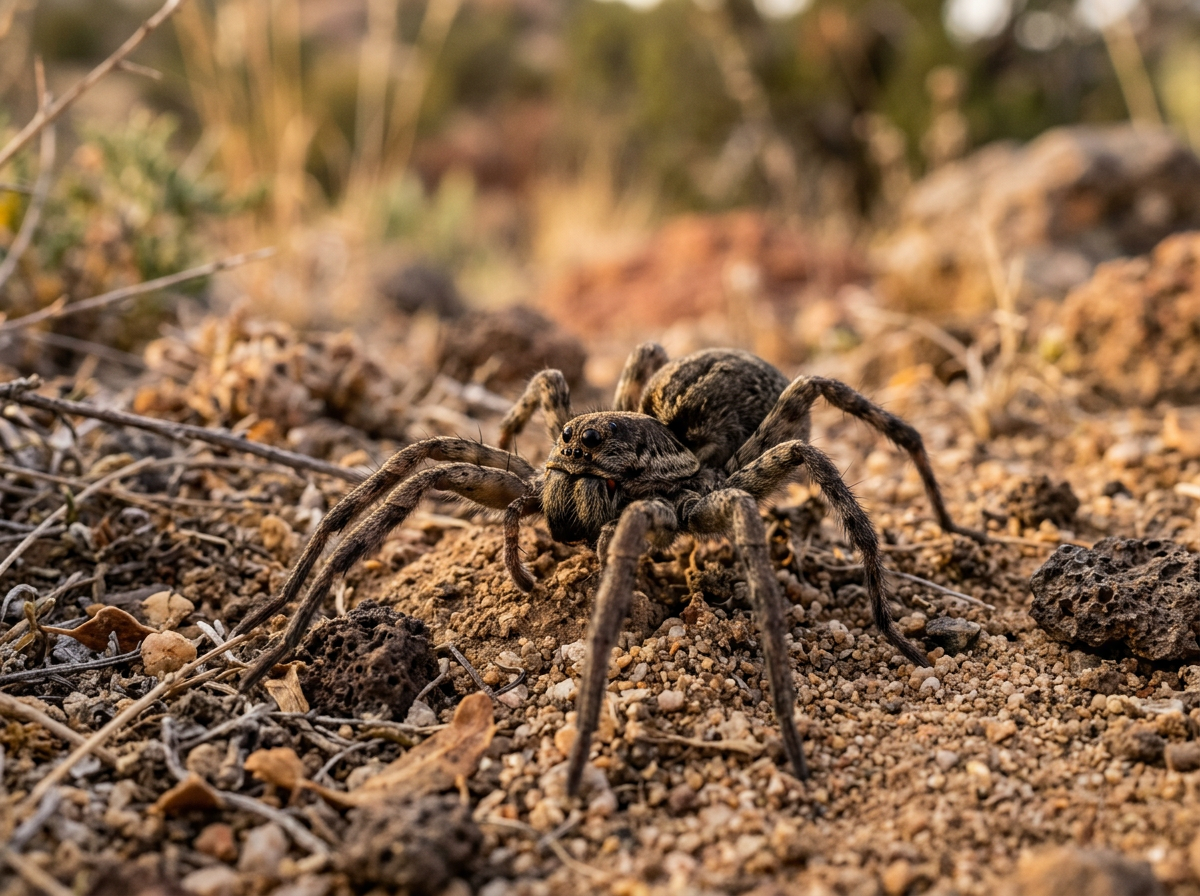
Wolf spiders are large, hairy ground-dwelling hunters common throughout Northern Arizona. Unlike web builders, they actively chase prey. They're often mistaken for tarantulas due to their size. Bites are uncomfortable but not medically significant. They frequently wander into homes during temperature swings.

Spring through fall
Ground level inside garagesBasements & crawl spacesAround foundation perimeterUnder landscape rocks
Desert Recluse
High Risk

Loxosceles deserta

Desert Recluse

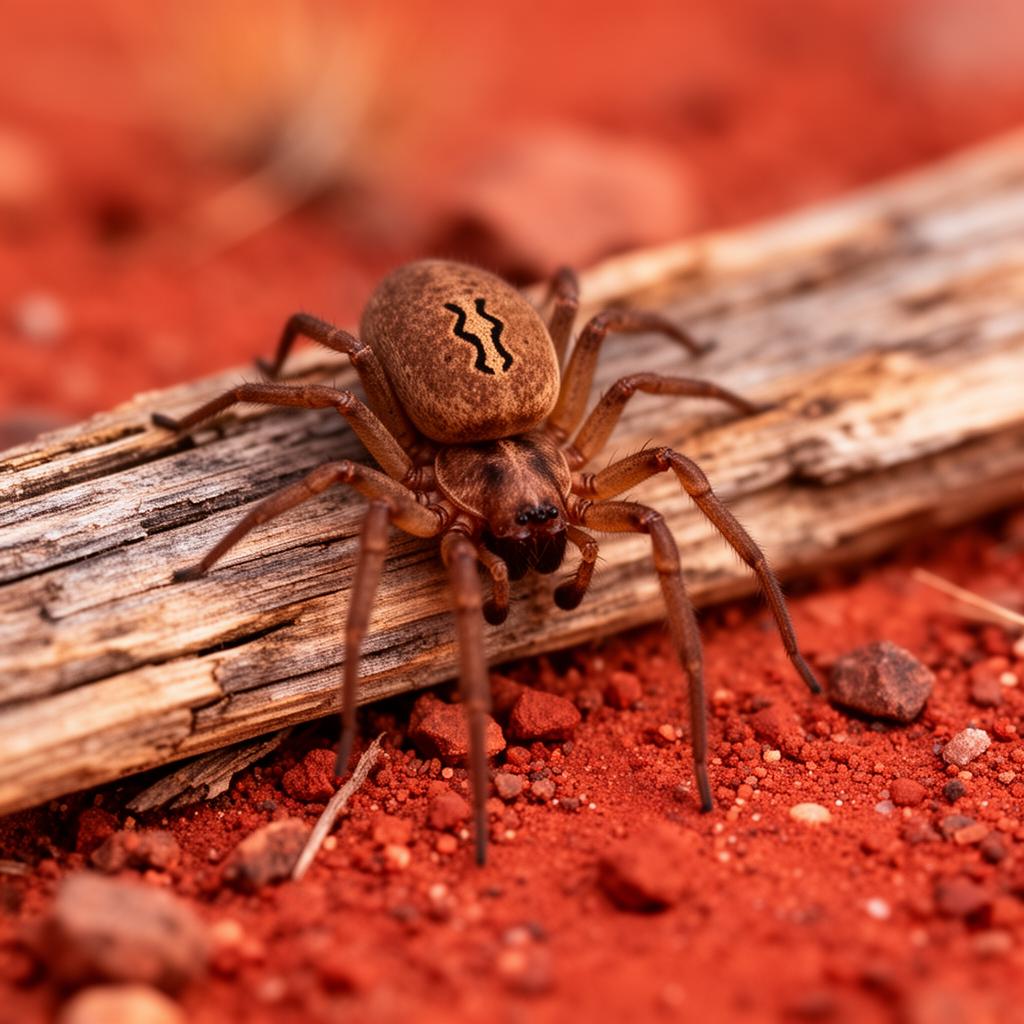
Closely related to the brown recluse, the desert recluse is found throughout Arizona's lower elevations and occasionally creeps up into the Prescott area. Identified by a violin-shaped marking and only six eyes (most spiders have eight). Bites are uncommon but can cause necrotic tissue damage requiring medical care.

Year-round (most active warm months)
Wood pilesOutdoor shedsStored boxes & shoesUnder debris near foundations
House Mouse
Moderate Risk

Mus musculus

House Mouse

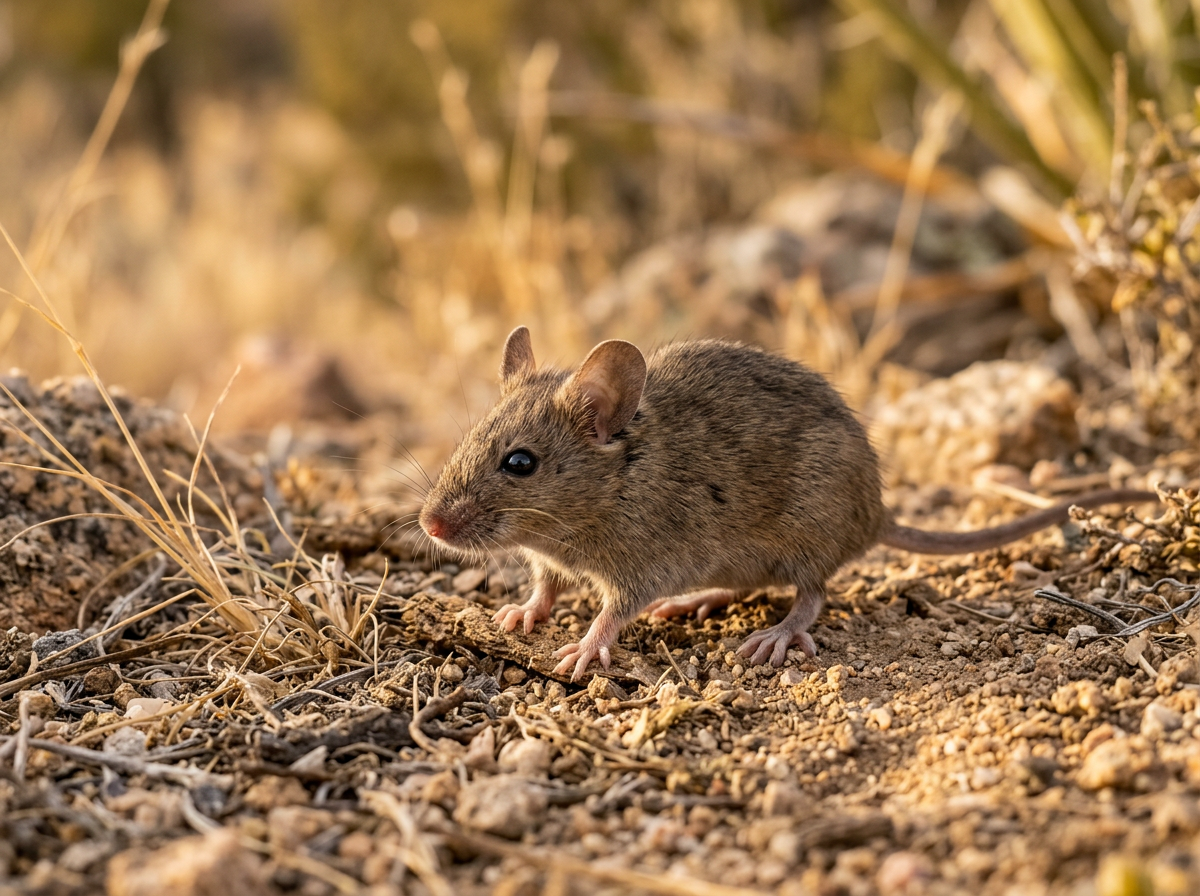
House mice are prolific breeders that quickly establish indoor populations once inside. A single female can produce 5–10 litters a year. They contaminate food, gnaw wiring, and spread disease. Prescott's cool winters drive them indoors for warmth and food, making fall the most common time for new infestations.

Year-round (peak activity fall & winter)
Pantries & kitchensWall voidsGarages & storage roomsUnder appliances
Deer Mouse
High Risk

Peromyscus maniculatus

Deer Mouse

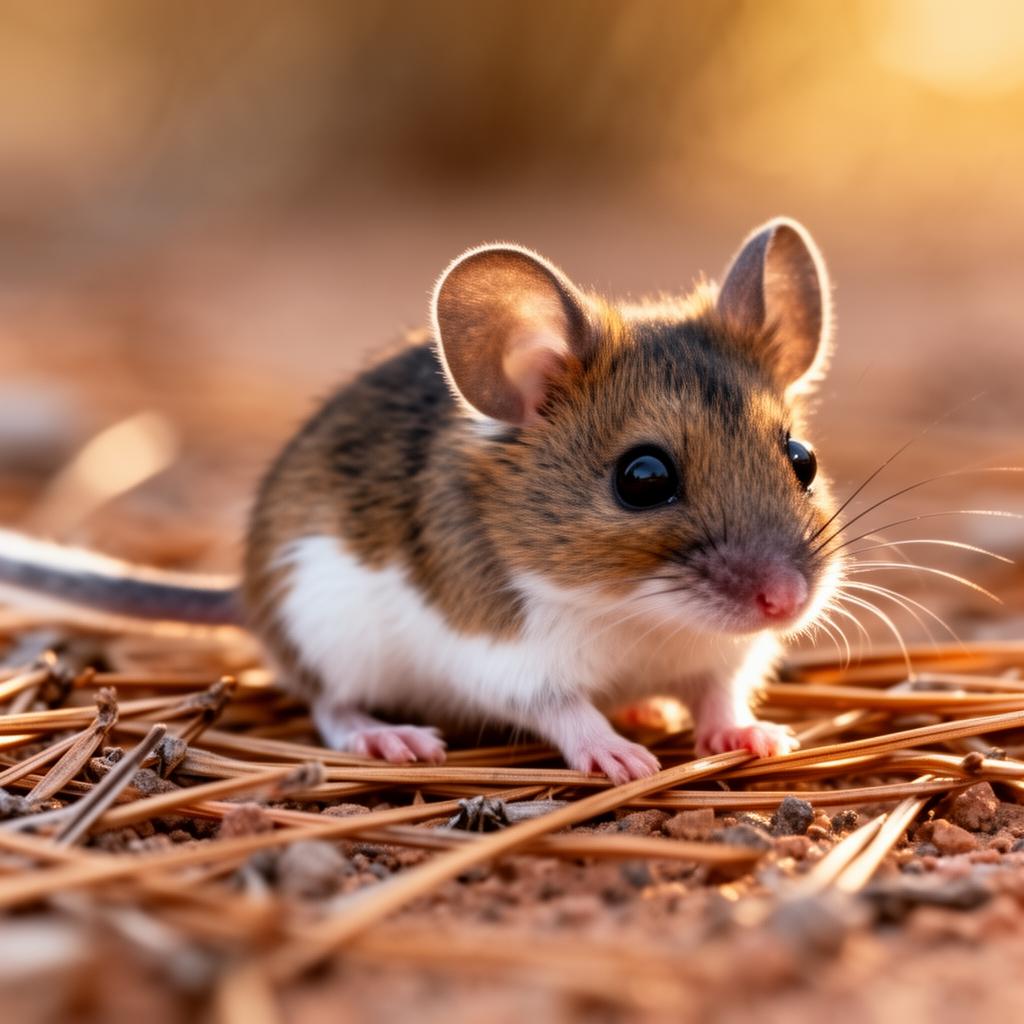
Deer mice are the primary carriers of hantavirus in the Southwest, making them a serious health concern in Northern Arizona's rural and forested areas. Identified by their bicolored tail and white belly, they prefer rural and wooded settings around Prescott, Chino Valley, and Prescott Valley. Never sweep or vacuum dry droppings — always wet-clean.

Year-round (peak fall & winter)
Cabins & rural homesSheds & outbuildingsStored vehicles & RVsAttics & wall voids
Velvet Ant (Cow Killer)
Moderate Risk

Dasymutilla spp.

Velvet Ant (Cow Killer)

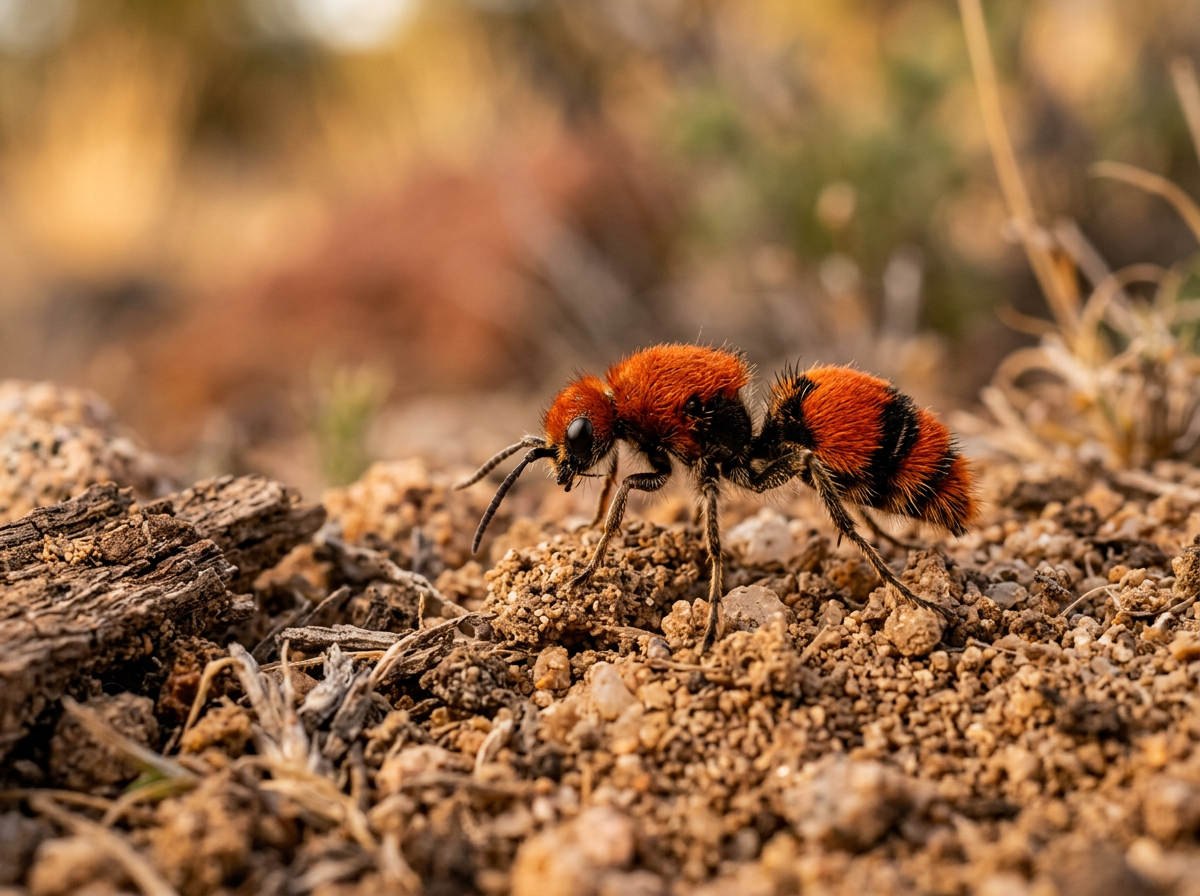
Despite their name, velvet ants are actually wingless wasps. The bright red-and-black females are commonly seen running across open ground in Northern Arizona summers. Their sting is famously painful — earning the 'cow killer' nickname — though not medically dangerous to most people. Children and pets are most at risk.

Summer (June – September)
Sandy open groundLawns & gravel drivewaysOpen desert near homesAround bee & wasp nests
Desert Centipede
Moderate Risk

Scolopendra polymorpha

Desert Centipede

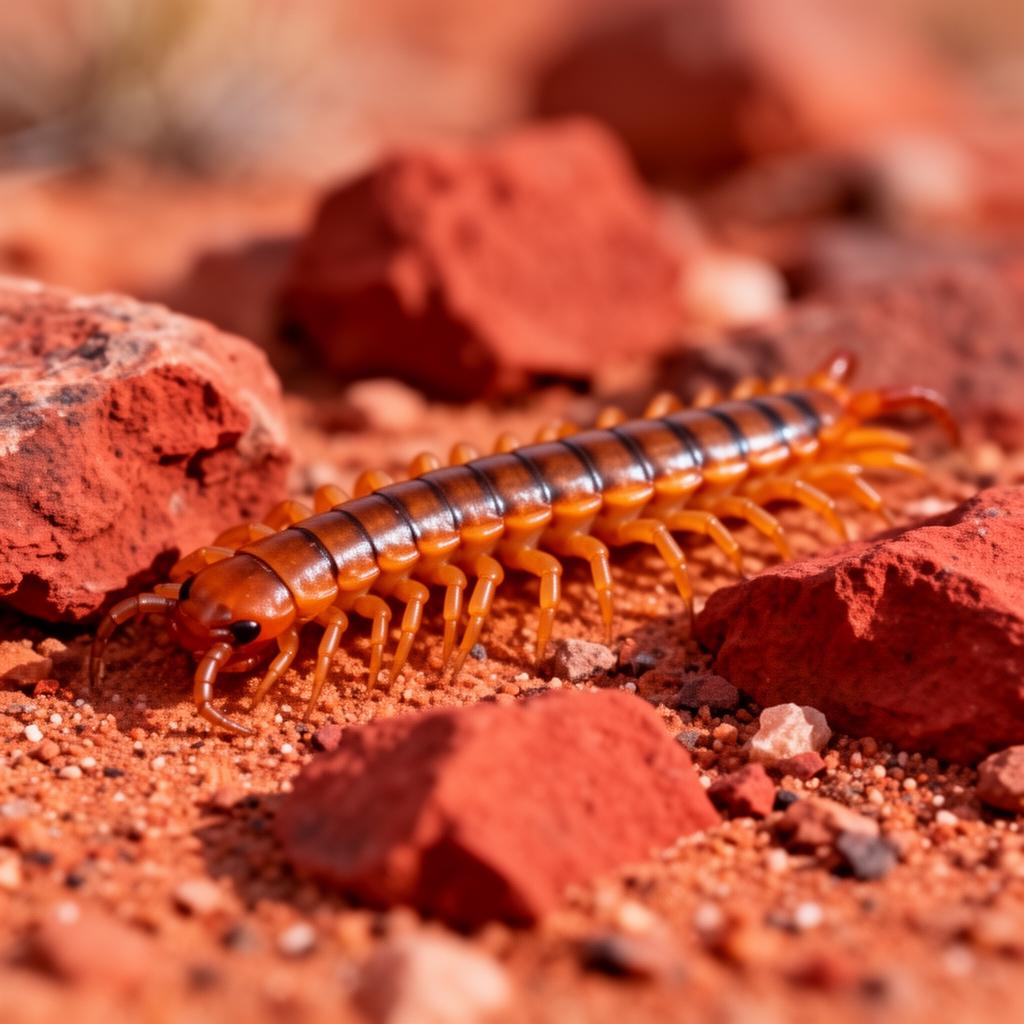
Desert centipedes are large (4–7 inch) predatory arthropods found throughout the Prescott area. Their bite delivers a painful venom that causes intense localized pain, swelling, and occasionally nausea. They're nocturnal hunters that often enter homes during monsoon season seeking moisture and prey insects.

Spring through fall (most active monsoon season)
Under rocks & landscape timbersGarages & basementsDamp bathroomsAround foundations after rain

Spotted Something?

We Can Help

If you've identified — or can't quite identify — a pest in your home, give us a call. We offer free phone consultations and people, pet & plant friendly treatments.

Call 928-442-6645